
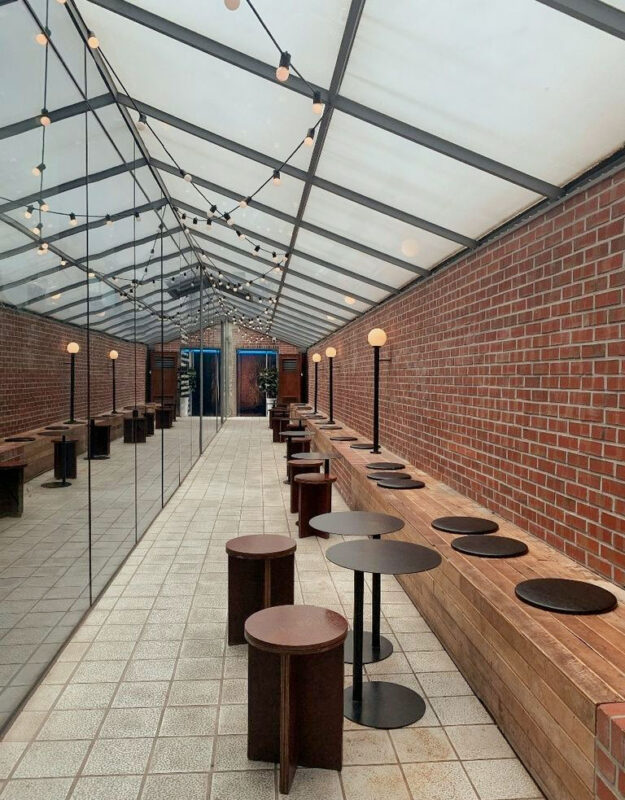
Seongsu-dong, the Brooklyn of Seoul, has emerged as a hot place
This is because young artists are gathering and revitalizing Seongsu-dong, which was once an old factory area abandoned along with the decline of industry, just like Brooklyn, which has emerged as a landmark of New York. This place, which was used as a livestock farm at the end of the Joseon Dynasty (1932-1910), was transformed into an industrial complex in the 1960s with the development of modern industry. It is close to Gangnam in Seoul because it faces the Han River, and the wide, flat land where horses were raised was good for creating an industrial complex.
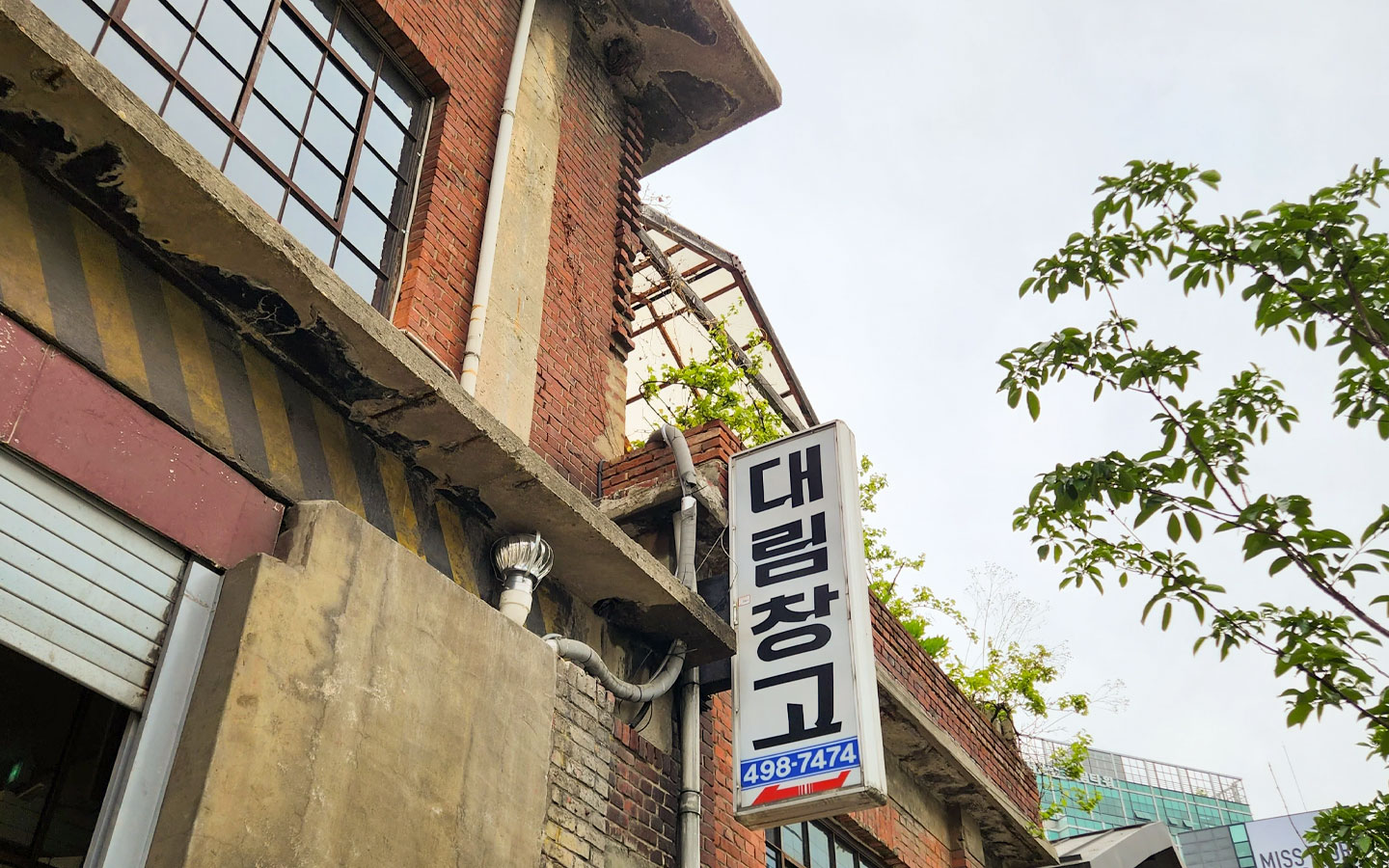
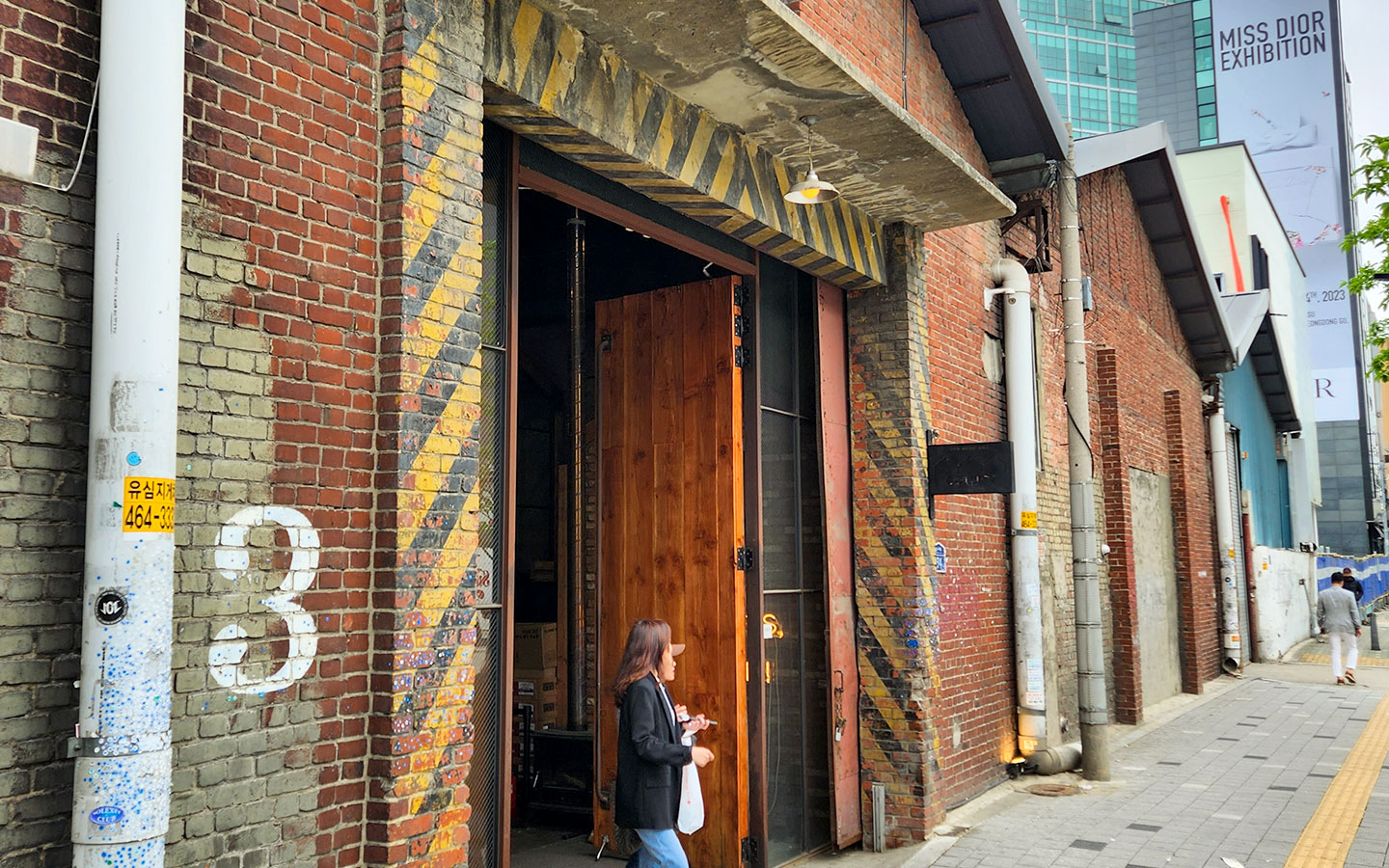
During its second heyday, this place was home to over 3,000 manufacturing and manufacturing plants.
As manufacturing began to decline in the 1990s, abandoned factories began to appear one after another, and by the 2000s, the image of the area as an old factory complex had solidified among people.
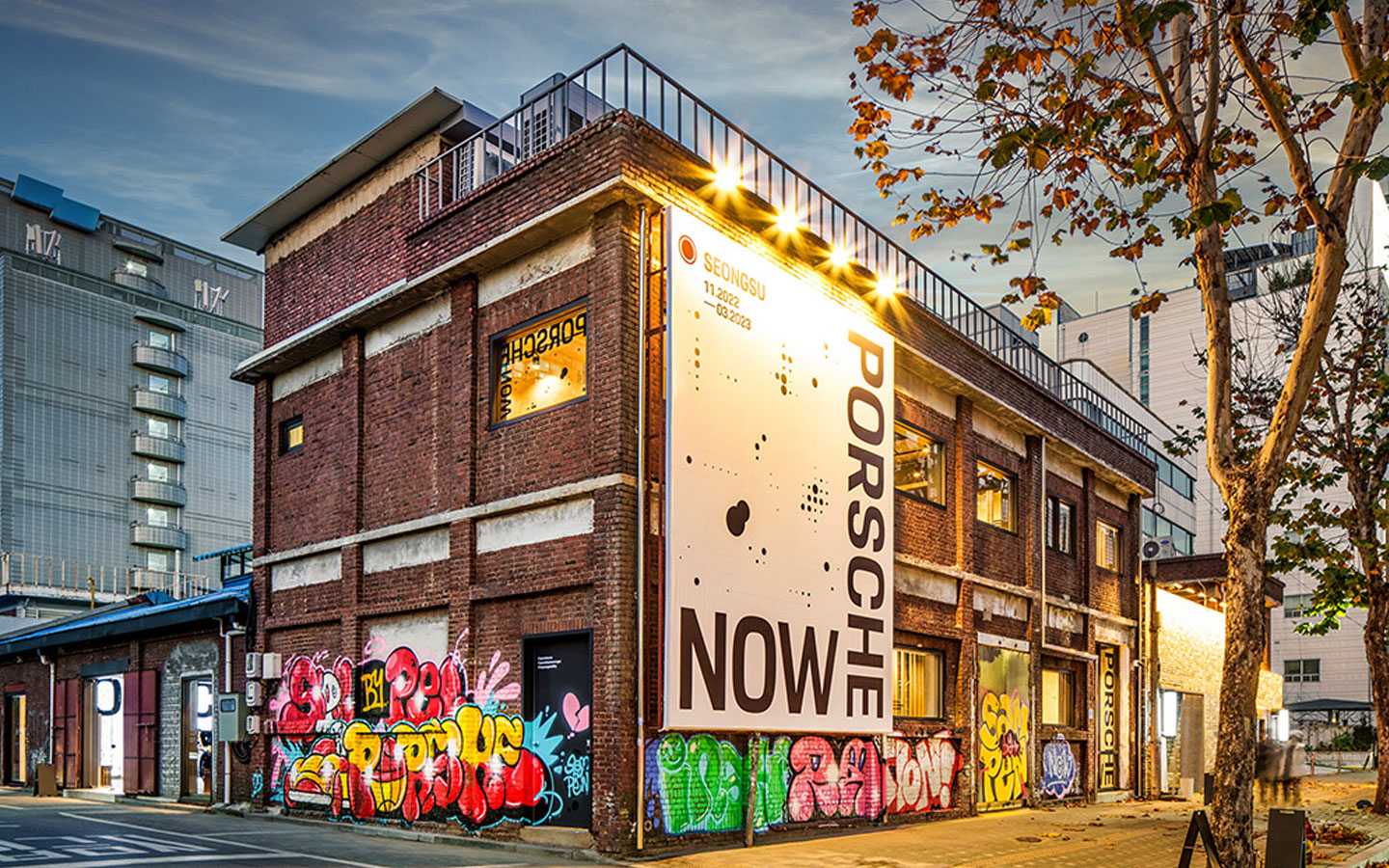
“Young aspiring artists who were interested in my old and empty warehouses and factories began to transform them into cultural spaces by adding a modern sensibility without erasing the old.”
A complex cultural space in Seongsu-dong
Young artists who were curious about the abandoned factories and old, empty warehouses scattered throughout the Seongsu-dong industrial complex began to transform the places into complex cultural spaces by adding a modern sensibility to the memories and architectural characteristics of the places rather than erasing the traces of the past that remained in these places. As the young people walked around the industrial complex and found unique spaces hidden here and there touched by the hands of young artists, they were delighted as if they had found a hidden treasure and posted them on social media, and the streets of Seongsu-dong were teeming with young people looking for places that had emerged as hot places on social media.
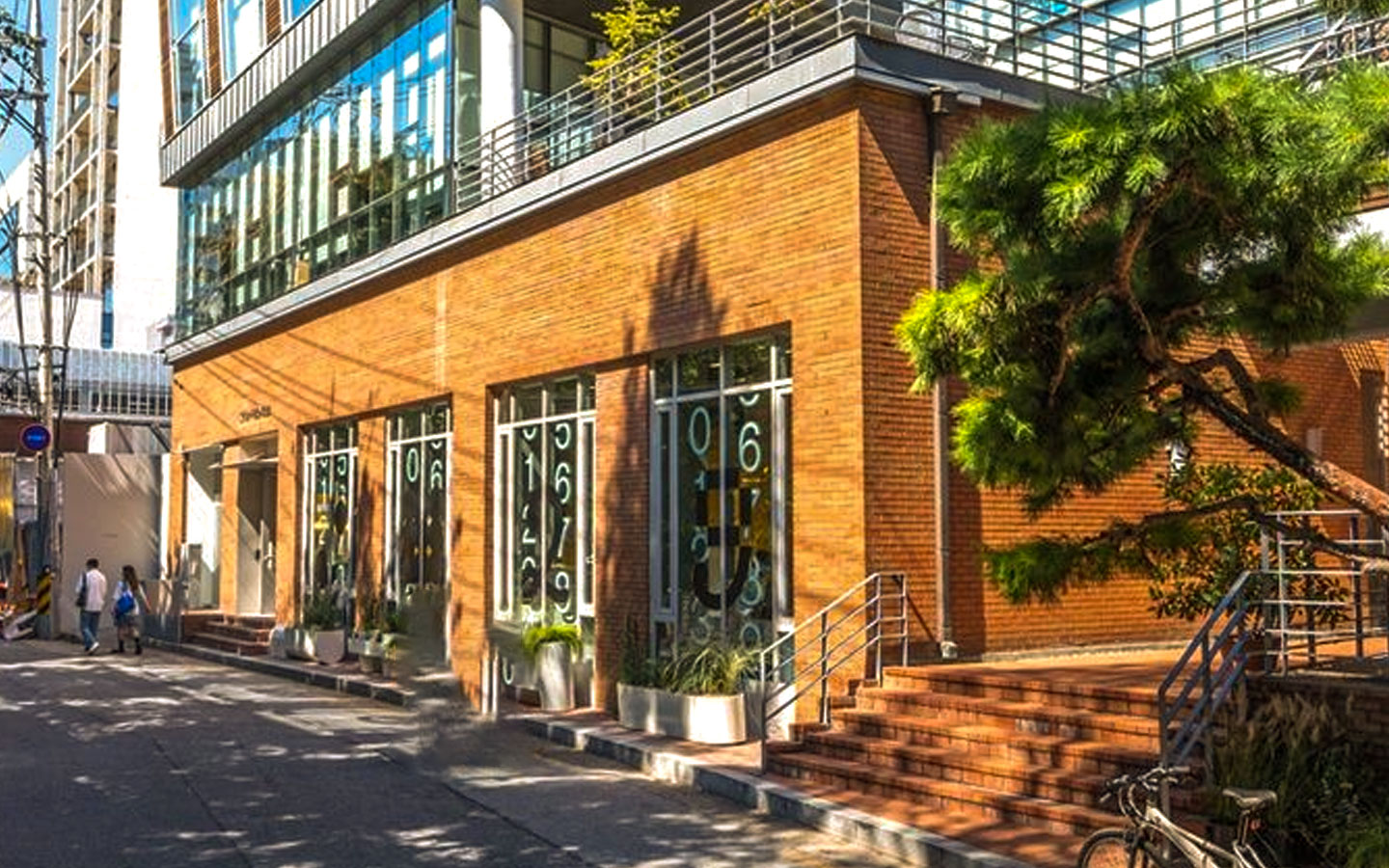
A complex cultural space in Seongsu-dong
Young artists who were curious about the abandoned factories and old, empty warehouses scattered throughout the Seongsu-dong industrial complex began to transform the places into complex cultural spaces by adding a modern sensibility to the memories and architectural characteristics of the places rather than erasing the traces of the past that remained in these places. As the young people walked around the industrial complex and found unique spaces hidden here and there touched by the hands of young artists, they were delighted as if they had found a hidden treasure and posted them on social media, and the streets of Seongsu-dong were teeming with young people looking for places that had emerged as hot places on social media.
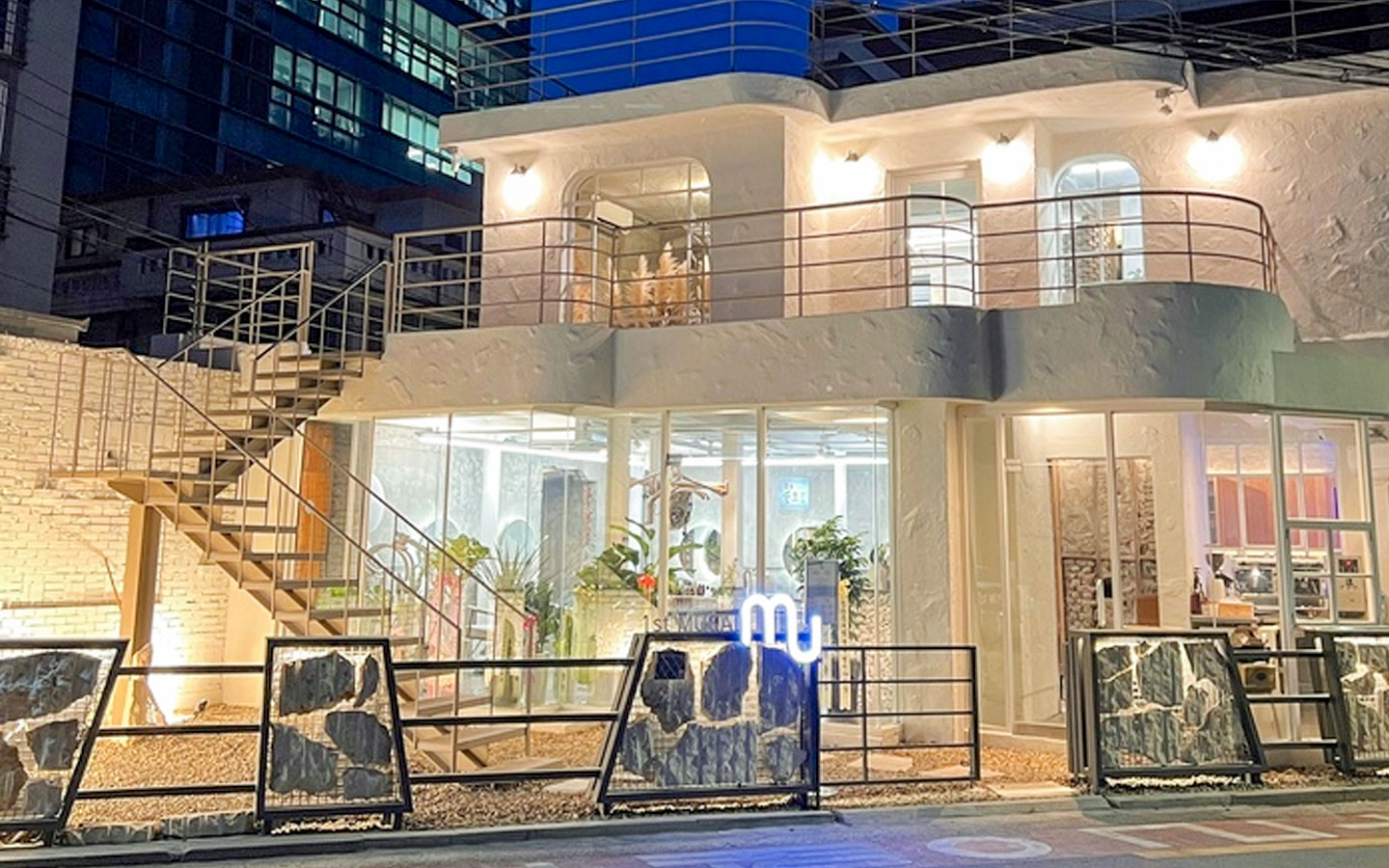
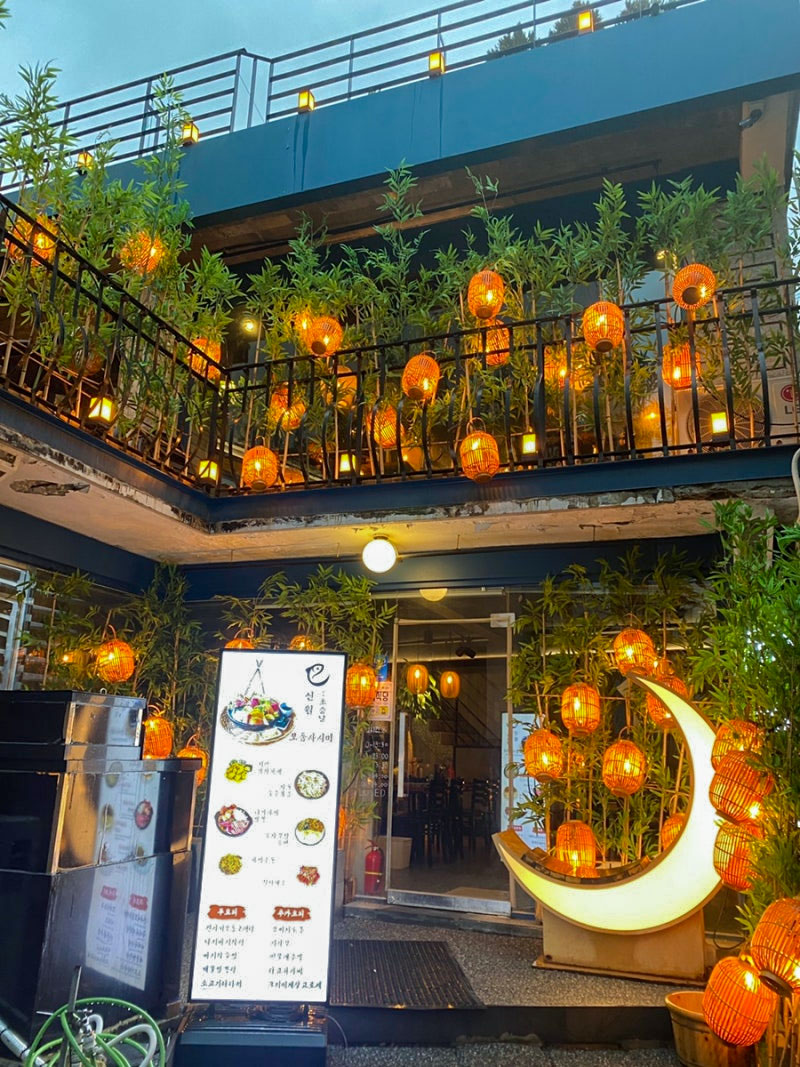
A cultural playground for young people
Cafes and restaurants that offer signature menus that are hard to find anywhere else, workshops that stock unique stationery and cute daily necessities, experimental artworks by young artists, and bookstores that stock unique books that are hard to find in regular bookstores. Seongsu-dong has all these things and has become a cultural playground that young people can enjoy without getting tired of. Among them, Seongsu Yeonbang, a complex cultural space that adds a modern sensibility to old warehouses and factories, is loved by many and represents Seongsu-dong’s cafe street. In addition, ‘Grandpa’s Factory’, which used to be a dyeing factory and an automobile manufacturing company, has been reborn as a complex cultural space cafe and is quickly emerging as a hot place.
Seongsu Federation is a building built as a chemical plant in 1974.
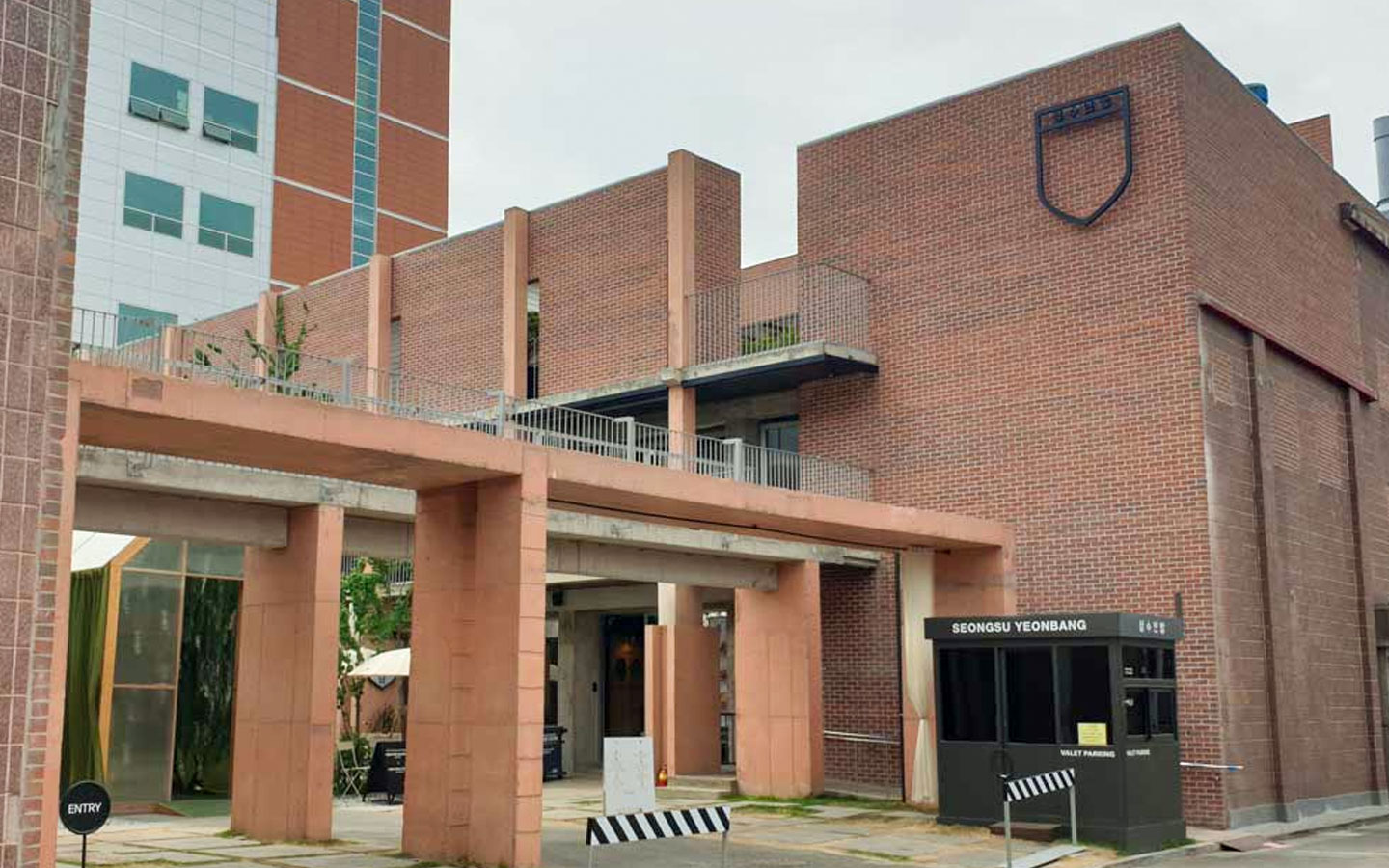
Various architectural elements were added to the existing chemical plant building to add structural beauty and spatial utilization. Another feature of Seongsu Federation is that it is a “life culture society platform” filled with brands that exude special individuality in each field. Seongsu Federation, which is home to various stores, restaurants, and cafes with distinctive individuality and sensibility, is much loved as a place frequented by people who want to experience the differentiated youth culture of Seongsu-dong.
Grandpa’s Factory is a building that was abandoned for a while and was given new life, emerging as a hot place.
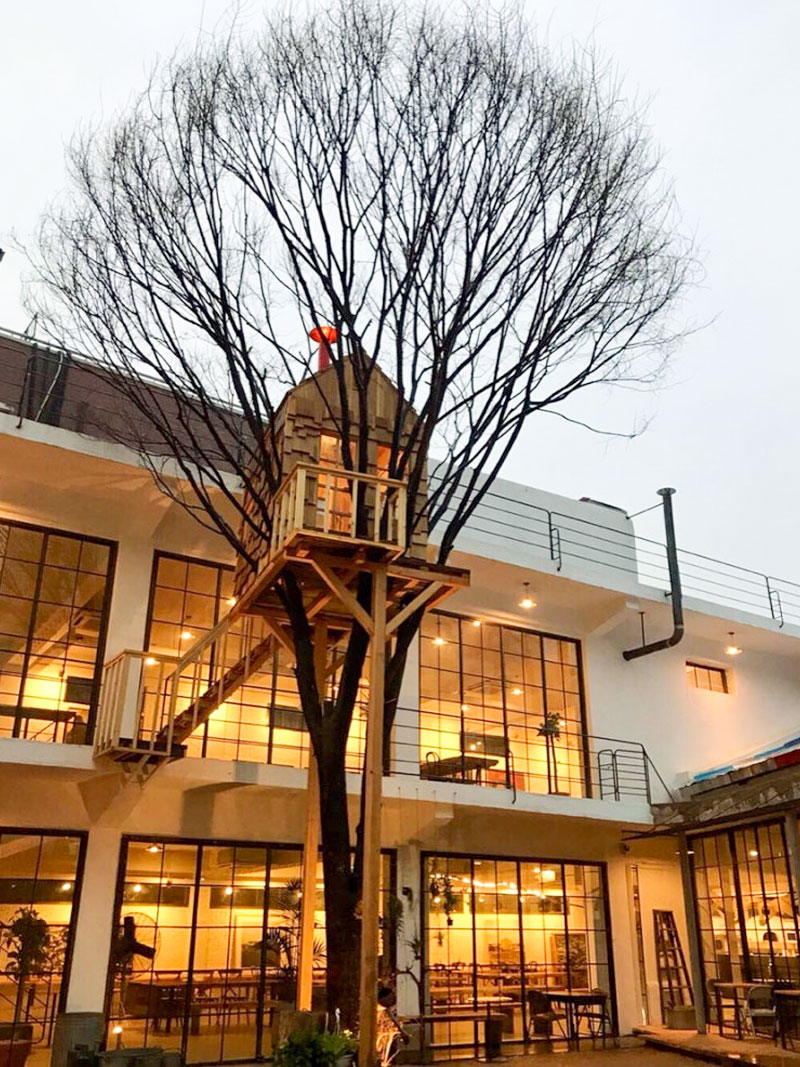
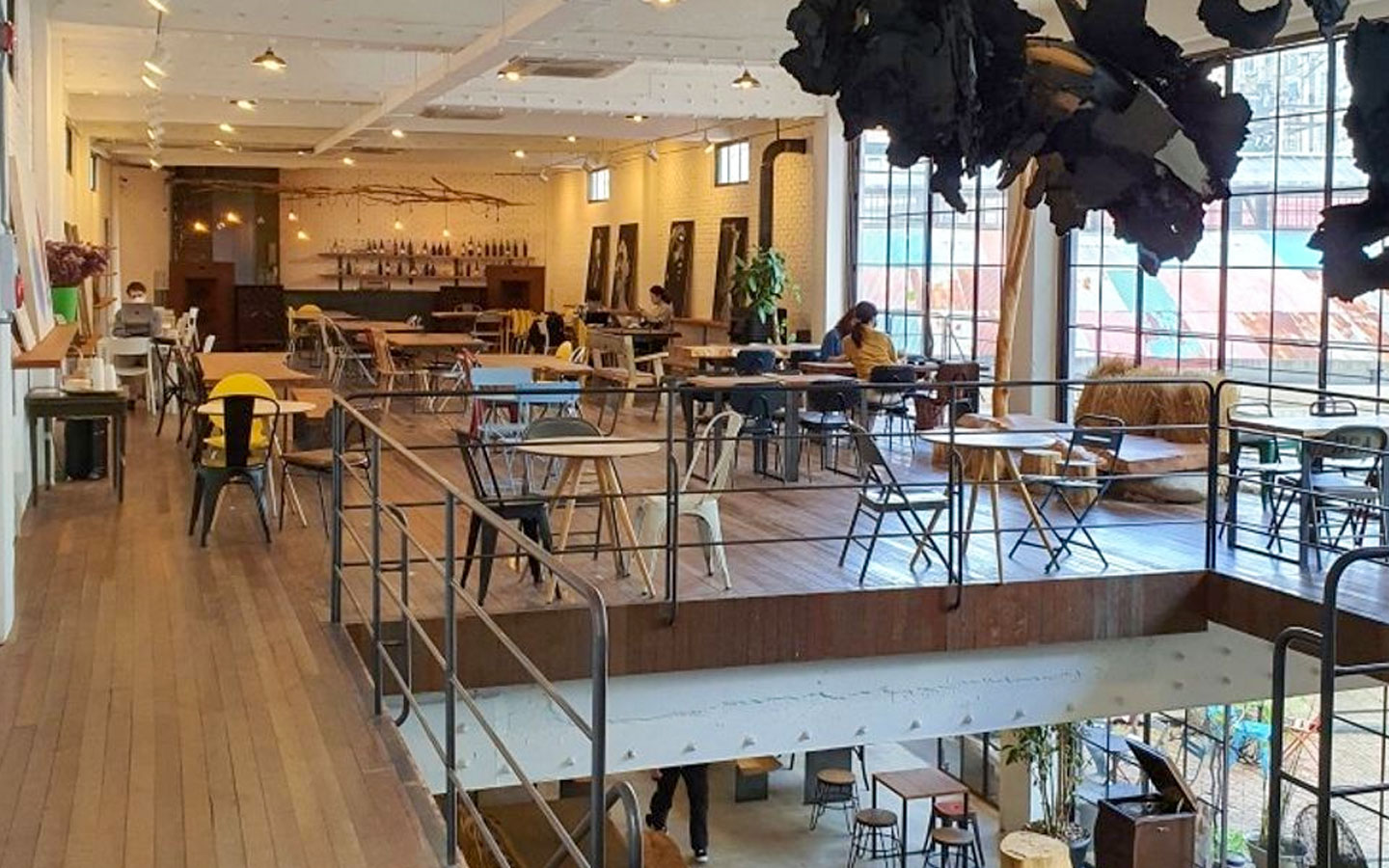
Grandfather Factory was built in the 1960s and was used as a dyeing factory and automobile factory for 50 years. After being abandoned for a while, it was reborn as a complex cultural space in 2019 and has emerged as a hot place in Seongsu-dong’s cafe street.
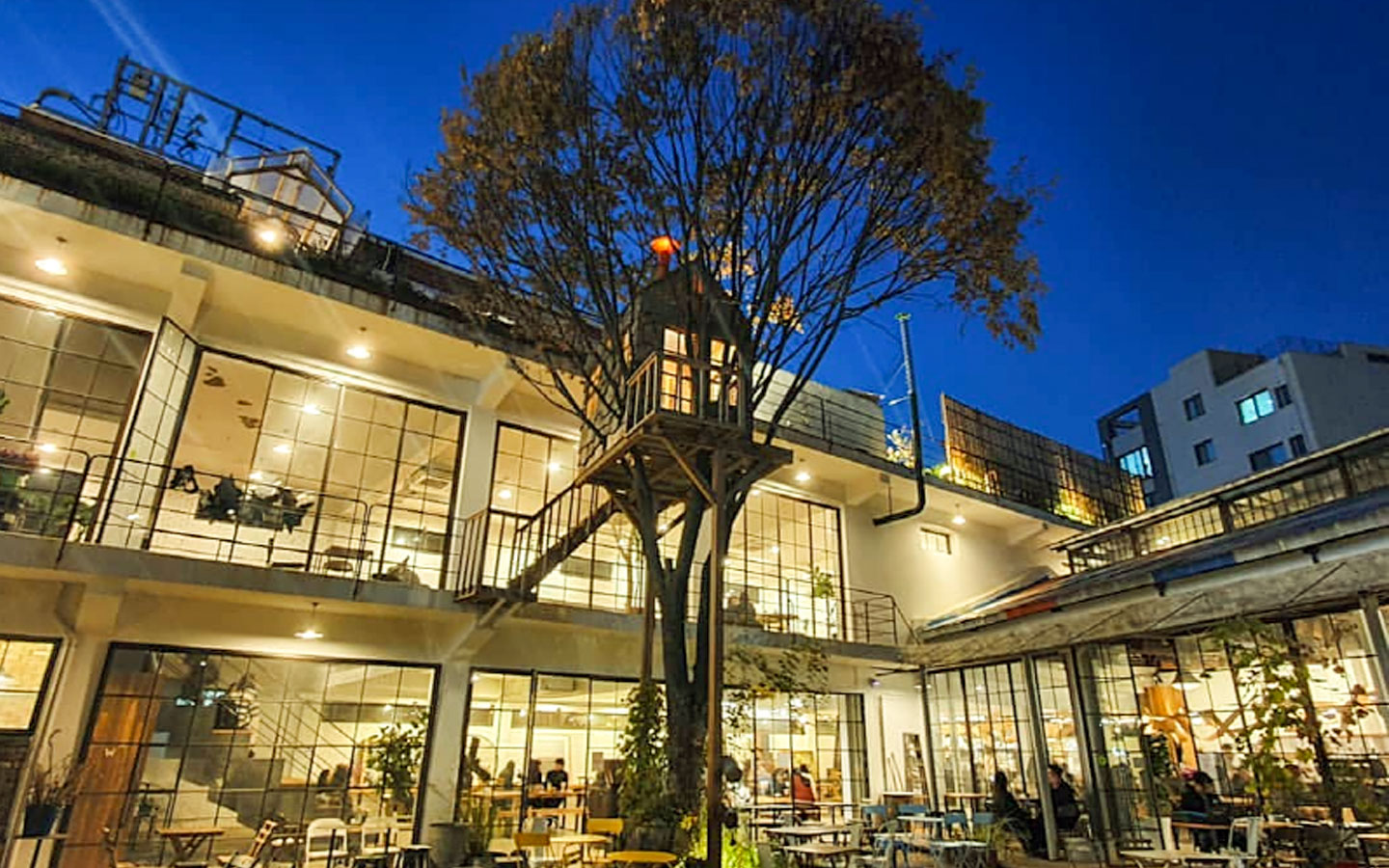
Hydrangeas, the main character of the rooftop garden, bloom in full bloom every spring, adding vitality to the entire grandfather factory. Paintings and sculptures by young artists with an experimental spirit are exhibited throughout the interior space, allowing you to enjoy the luxury of enjoying art while enjoying a cup of coffee.
