
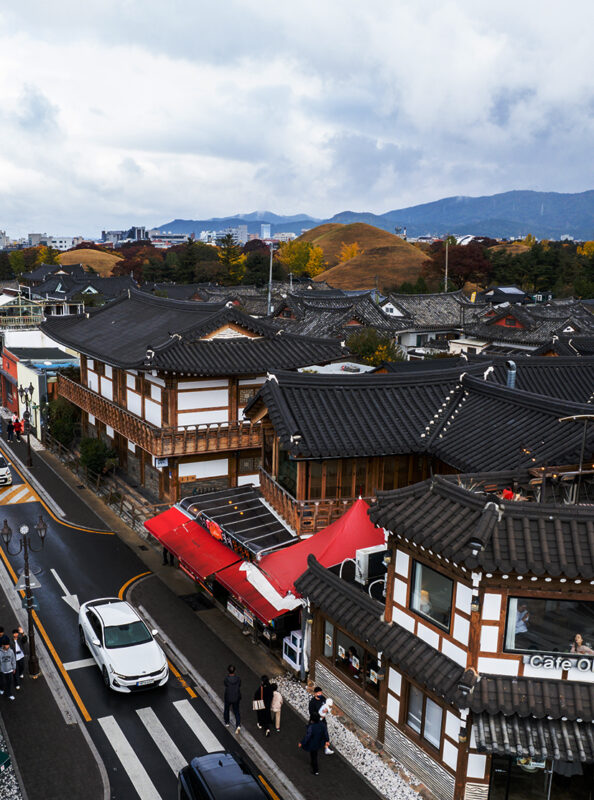
Gyeongju, a place full of cultural heritage sites, so much so that it is called an open-air museum
Gyeongju, the capital of the ancient Silla Dynasty (BC57-AD935), is often referred to as a “thousand-year-old capital”, meaning a “city with 1,000 years of history.” In the 1960s, as Korea’s industrialization and economic development progressed rapidly, the Cultural Heritage Protection Act was enacted in 1962 to preserve and protect cultural heritage throughout the country. This law focused on regulations for the protection of cultural heritage, and thus had limitations in supporting the development of areas surrounding cultural heritage and residents.
As the problem became more serious, Daegu City stopped landfilling in 1990.
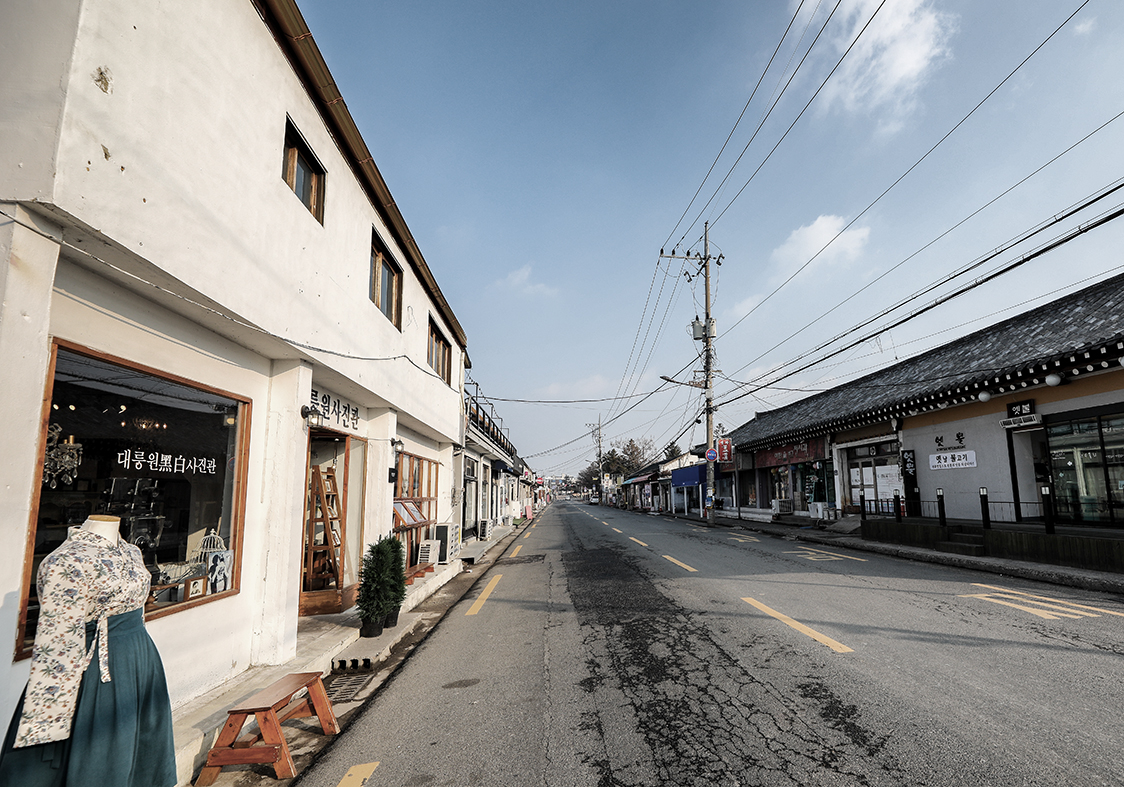
After nearly 50 years since the enactment of the law, areas within cultural heritage protection zones subject to building restrictions began to experience regional stagnation due to environmental aging. This was the case for Hwangnam-dong, adjacent to Daereungwon in Gyeongju. The neighborhood, which had been regulated for a long time under the Cultural Heritage Protection Act, had narrow alleys and a backward environment, which increased the inconveniences for residents, and it was difficult to find attractive elements that could attract tourists visiting Daereungwon.
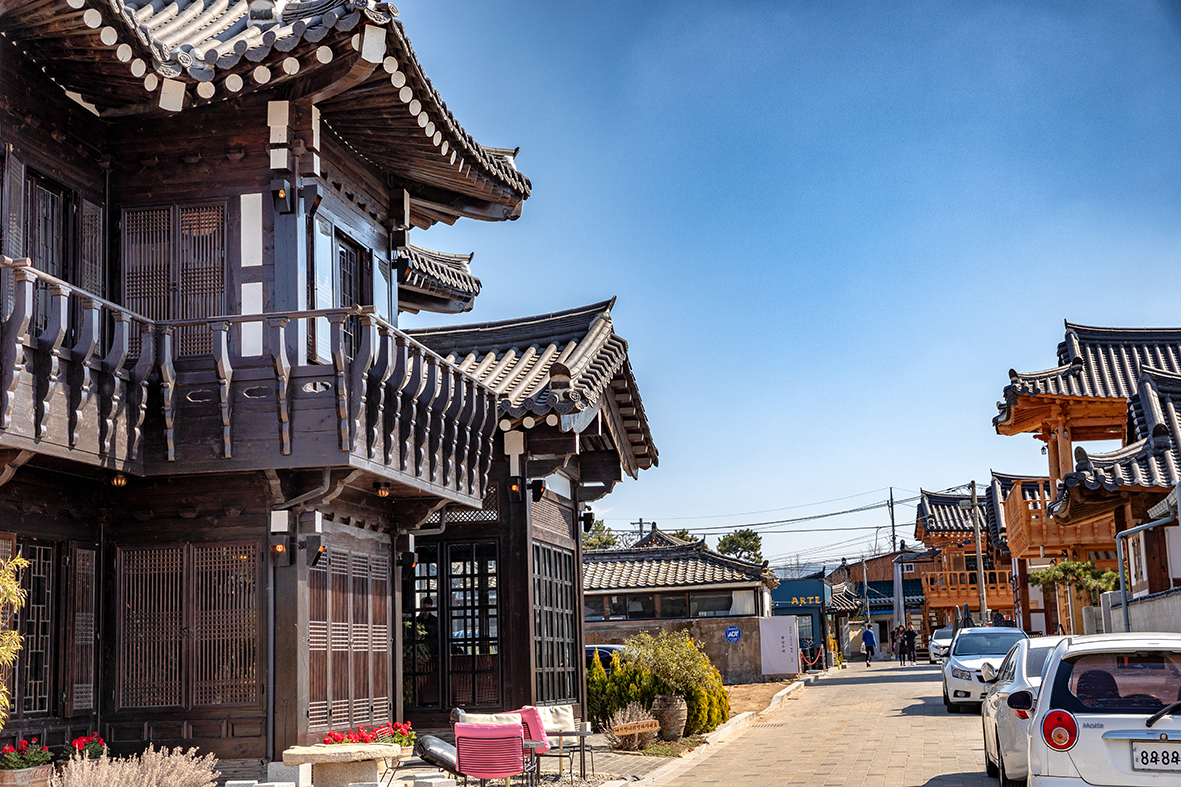
“To solve these problems occurring in areas surrounding cultural heritage protection zones, the government”
Cooperation and efforts for regional development and environmental improvement
In 2011, the Special Act on Preservation and Promotion of High Altitude Areas was revised and the historical and cultural environment protection and promotion districts were designated to begin projects to improve the residential environment, improve streetscapes, create small parks, and create community parking lots. Gyeongju Hwangnam-dong was also included. The residents and merchants of Hwangnam-dong responded to the changes by developing tourism products and creating an environment to attract tourists. And these efforts bore great fruit.
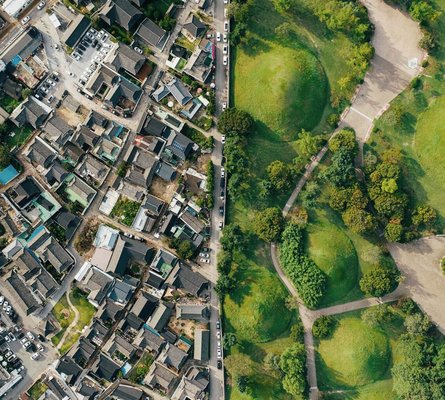
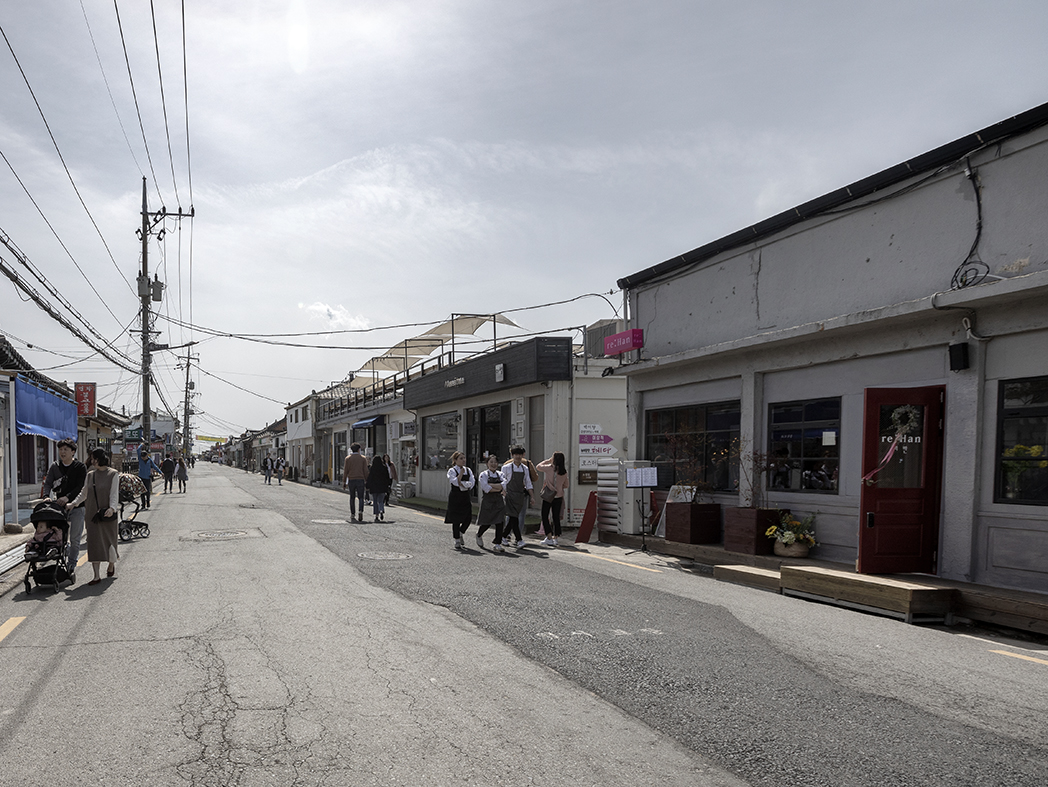
The street that was called ‘Hwangnam Big Road’ because it was the widest alley in Hwangnam-dong is ‘Hwangridan-gil’
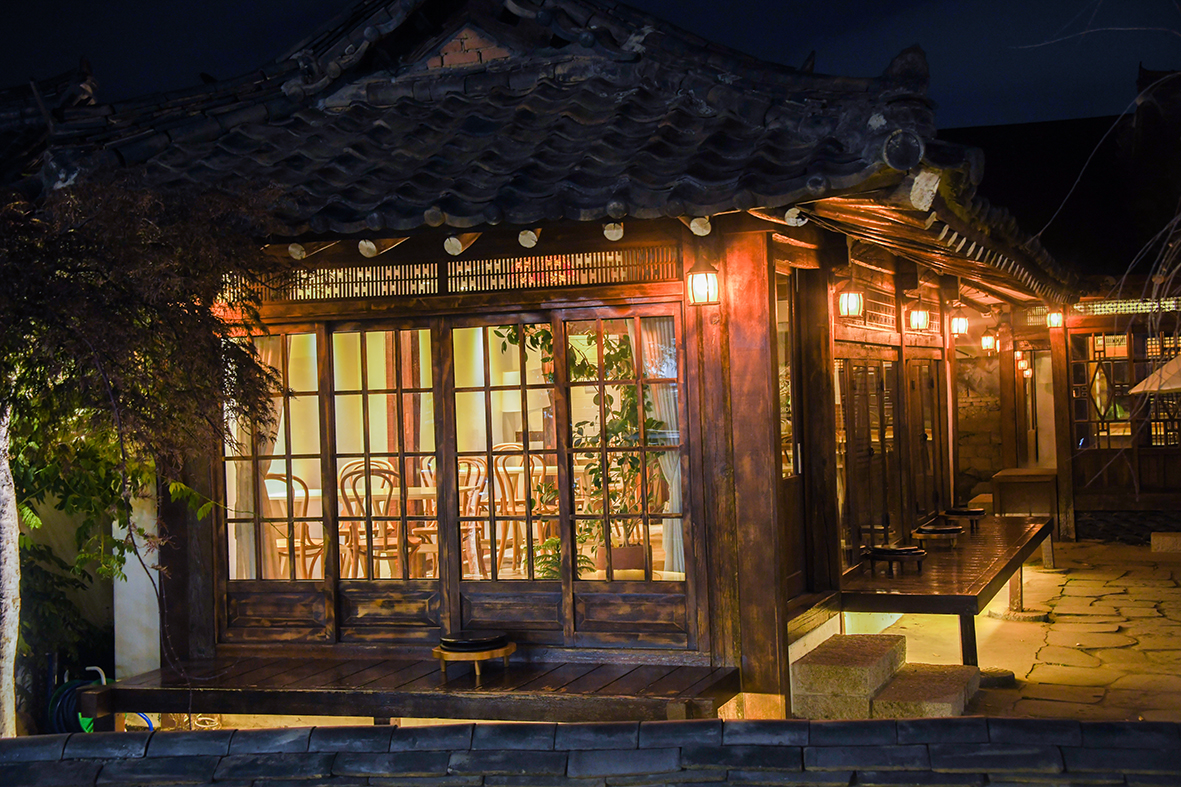
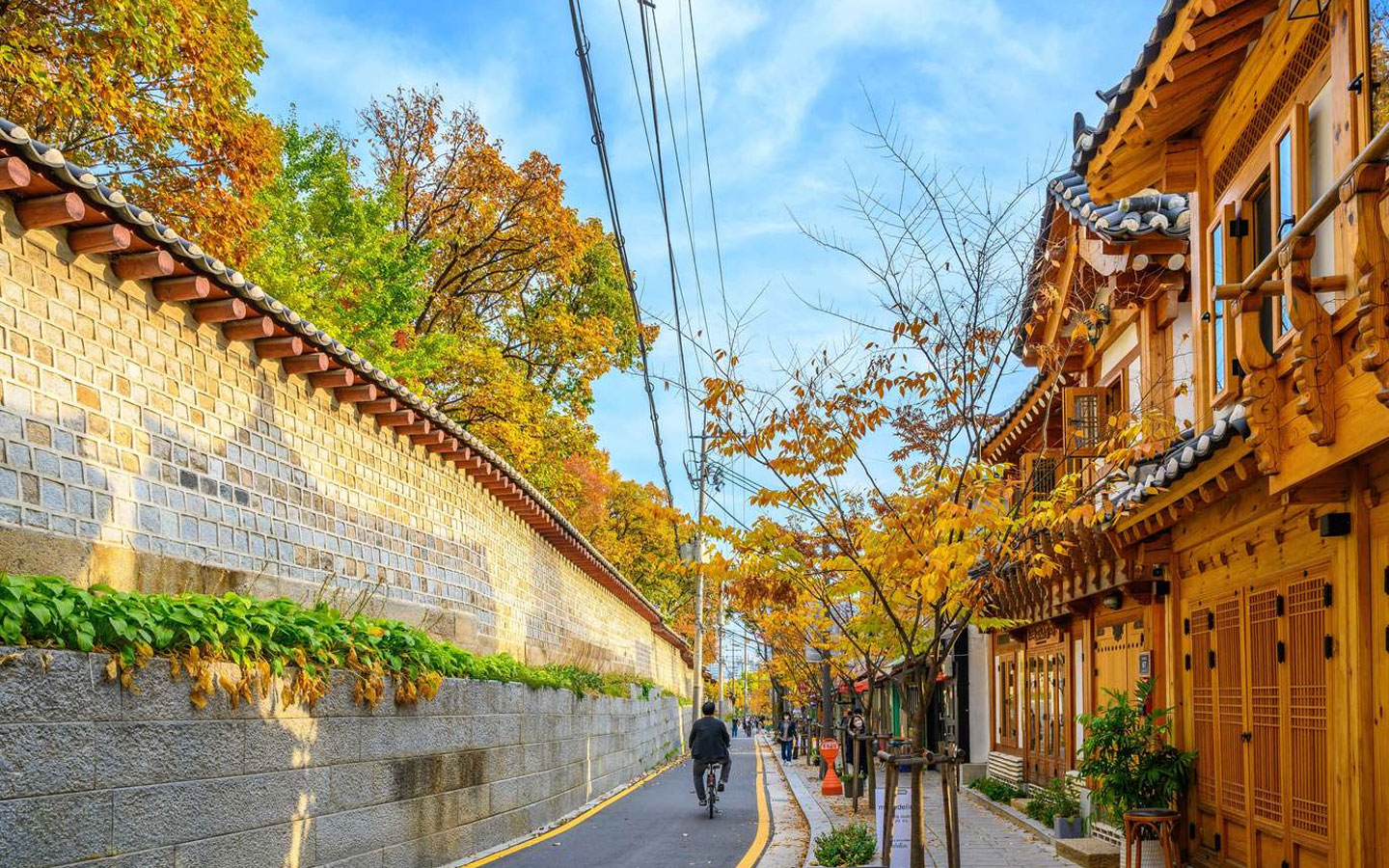
It has emerged as a hot place in Gyeongju as it began to become known nationwide through social media with a new nickname of ‘Hwangridan-gil’. ‘Hwangridan-gil’ is a combination of ‘Gyeongridan-gil’, a famous place in Itaewon, Seoul, and ‘Hwangnam-dong’ in Gyeongju. The biggest attractive point of Hwangridan-gil is its unique atmosphere overflowing with a newtro sensibility. It has created a street that can be enjoyed by various generations by adding modern design elements while maintaining the simple style of the existing buildings. You can enjoy a sentimental culture in cafes, restaurants, craft beer houses, bakeries, and bookstores, each with their own unique charm, and you can also have a mystical experience of overlapping modern and ancient landscapes in the convex tombs of Daereungwon visible between the buildings.
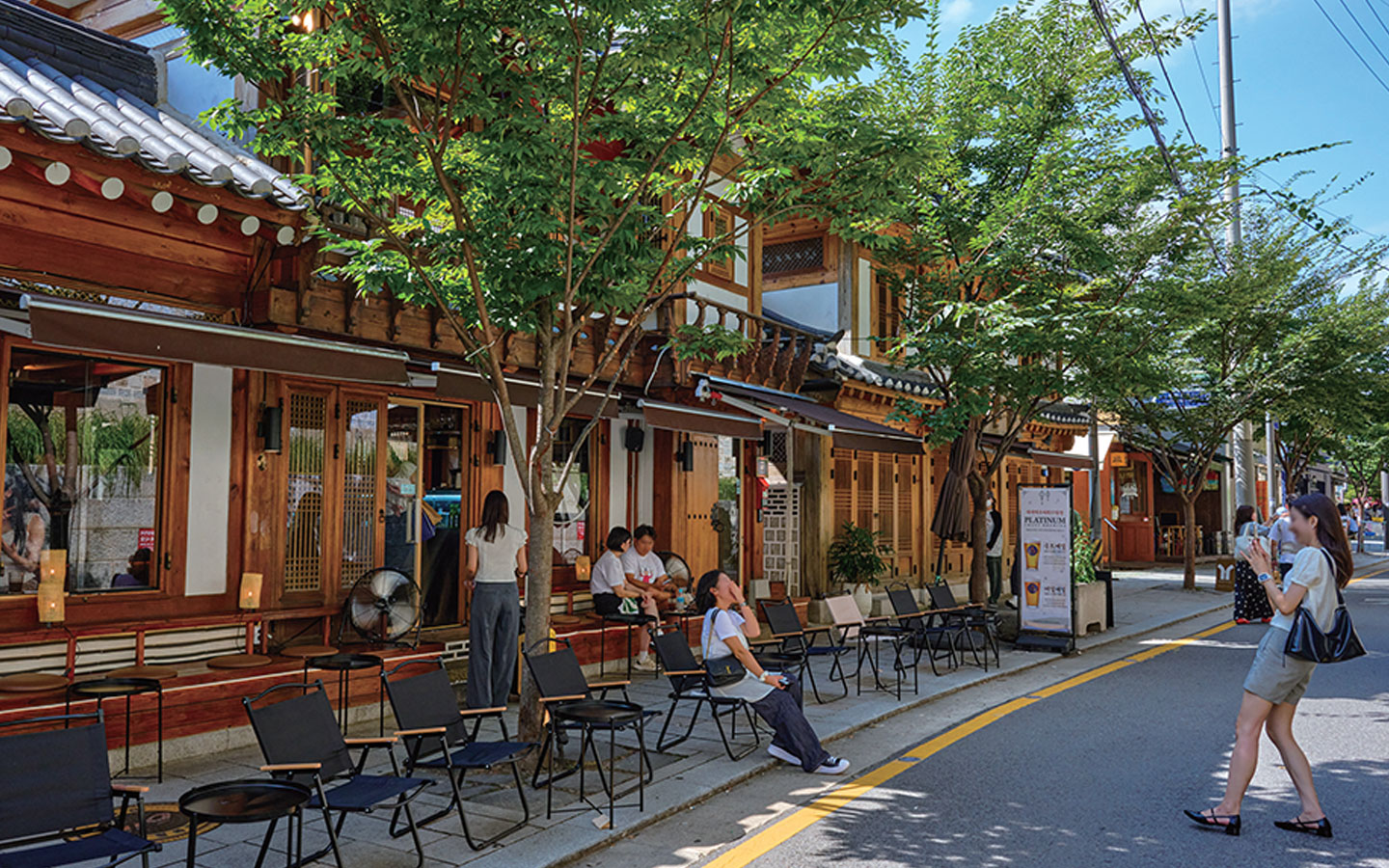

Street food stalls are also an interesting delicacy.
Snacks that can only be enjoyed on Hwangridan-gil include a 10-won coin-shaped bun with a picture of the Dabotap Pagoda of Bulguksa Temple in Gyeongju, chocolates modeled after the representative cultural assets of Gyeongju such as Cheomseongdae, and a tart in the shape of a tomb at Daereungwon.
In the past, the area was considered a cultural heritage protection zone, but through urban regeneration, it was reborn as a hot place where tradition and modernity coexist. Now, Hwangridan-gil has become an indispensable course for Gyeongju tourism, contributing to the local economy and creating happy memories for many tourists.
TIP: Gyeongju has the most UNESCO World Heritage Sites in Korea. Bulguksa Temple and Seokguram Grotto (1995), Gyeongju Historic Areas (2000), Yangdong Village (2010), and Oksan Seowon, one of the nine Seowons in Korea (2019), are all located in Gyeongju.
Address│Gwonnong-dong, Jongno-gu, Seoul
at Jongno 3-ga Station on Subway Lines 1 and 3, walk 5 minutes toward Jongmyo from Exit 7
